Understanding Counterfeit Money: The Risks and Consequences of Purchasing Fake Currency
In the intricate world of currency and finance, counterfeiting provides a severe criminal offense that can have disastrous effects. While his response may consider the purchase of counterfeit money to be a victimless criminal activity or a quick service to monetary battles, the truth is far more major. This short article explores the threats connected with purchasing counterfeit money, the repercussions of such actions, and the wider implications for the economy and society.
The Nature of Counterfeit Money
Counterfeit money describes unlawfully produced currency that is made to imitate genuine banknotes. These fake costs aim to deceive individuals and businesses into thinking they are utilizing real currency. Generally produced with primitive strategies or advanced innovation, counterfeit money can look remarkably similar to authentic notes, making it harder for the typical individual to determine the difference.
Types of Counterfeit Money
- Printed Counterfeit Notes: Often produced utilizing innovative printing techniques that replicate the look of real currency.
- Digital Counterfeits: Created digitally, then printed and distributed, often found in online deals.
- Fake Coins: Although less common, counterfeit coins can also be produced and introduced into flow.
The Allure of Counterfeit Money
For some, the concept of purchasing counterfeit money might seem appealing due to various reasons such as financial desperation, the thrill of taking part in illicit activities, or the viewed ease of obtaining luxury items without real monetary expenditure. Nevertheless, this temptation includes severe repercussions.
Legal Implications
The act of buying, selling, or using counterfeit money is a felony criminal offense in virtually every nation worldwide. The particular laws and penalties can differ by jurisdiction, but potential legal consequences include:
- Criminal Charges: Those caught purchasing or possessing counterfeit money can face severe criminal charges, ranging from fines to imprisonment.
- Financial Loss: Victims who unwittingly accept counterfeit bills may lose their money, and discovering option can be tough.
- Civil Liability: Engaging in counterfeit money deals can lead to civil lawsuits, resulting in substantial monetary problems.
Repercussions of Purchasing Counterfeit Money
The risks connected with acquiring counterfeit money extend beyond legal ramifications. The act supports criminal enterprises and adds to a variety of economic problems.
Economic Impact
- Inflation: The introduction of counterfeit costs into circulation can interrupt the economy, adding to inflationary pressures and weakening rely on the currency system.
- Increased Prices: Businesses might raise costs to balance out losses sustained from accepting counterfeit money, eventually impacting customers.
- Job Losses: Counterfeiting can result in company closures and task losses, especially in sectors greatly impacted by counterfeit currency or rip-offs.
Social Consequences
Beyond financial impacts, there are substantial social ramifications related to counterfeit money:
- Erosion of Trust: Counterfeit currency weakens trust in financial systems and institutions.
- Bad guy Networks: The sale and distribution of counterfeit money frequently fund criminal enterprises, perpetuating cycles of crime and violence.
- Disillusionment of Victims: Individuals who fall victim to counterfeit frauds may experience emotional and financial distress, further perpetuating a cycle of mistrust within communities.
Frequently Asked Questions: Understanding Counterfeit Money
What should I do if I get counterfeit money?
If you believe you have received counterfeit money, do not attempt to invest or utilize it. Instead, report it to local law enforcement or your nation's treasury department. They have protocols in place for handling counterfeit currency.
How can I recognize counterfeit expenses?
There are numerous functions to try to find:
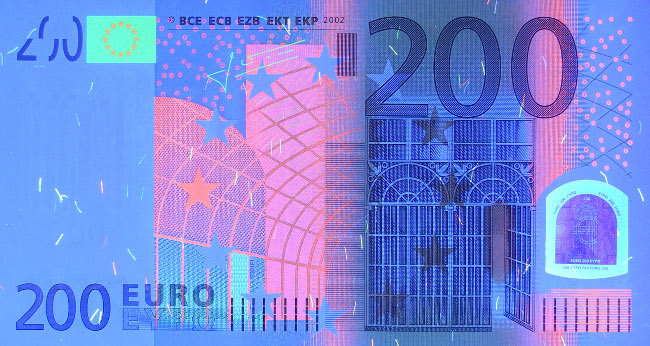
- Watermarks: Legitimate currency often has watermarks that can be seen when held up to the light.
- Color-shifting ink: This distinct ink modifications color when you tilt the expense.
- Raised printing: Authentic notes generally have a raised texture that can be felt.
Why do individuals turn to acquiring counterfeit money?
People might resort to counterfeit money out of financial desperation, misguided belief in the ease of getting fake notes, or as part of a bigger criminal scheme. However, the risks and consequences far outweigh any short-term advantages.
Is it possible to get caught when attempting to buy counterfeit money online?
Absolutely. Police actively keep track of online platforms for the sale of counterfeit currency. Taking part in such deals puts individuals at high risk of arrest and prosecution.
While there may be a viewed attraction to purchasing counterfeit money, the truth is fraught with risks, legal charges, and major social effects. Understanding these implications is vital for people to make notified, responsible options. Rather than surrendering to the temptations of counterfeit currency, looking for genuine methods to financial stability is even more feasible. It remains in everyone's best interest to support the integrity of our monetary systems and recognize the broader effects of supporting counterfeit operations.